
Bote Optical Lens
Bote has been established for 22 years and focuses on the production of various optical lenses. We guarantee to achieve the various technical indicators and delivery times promised to you.
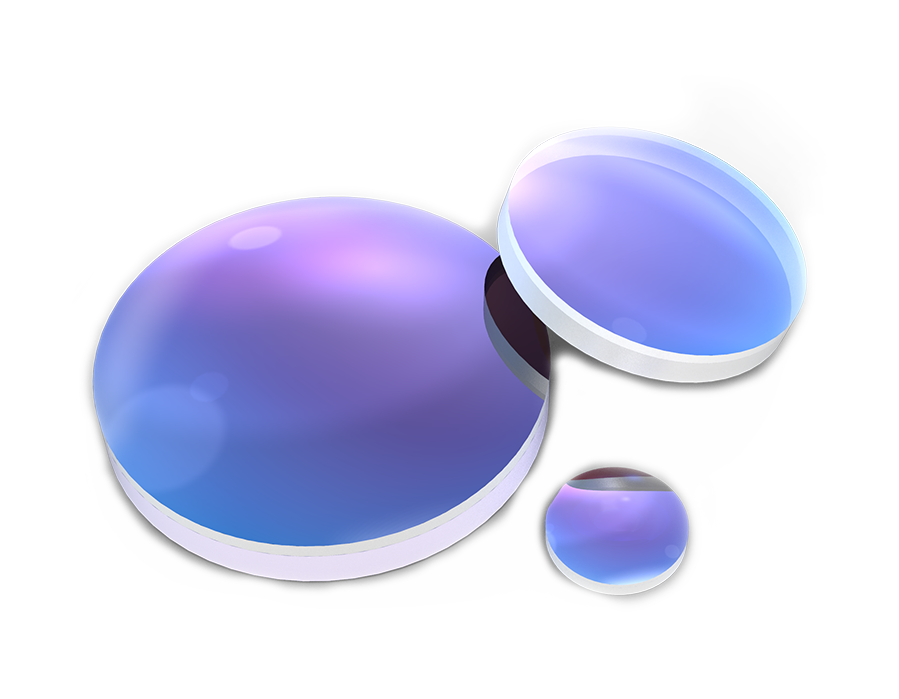
Achromatic Lenses
- Diameter Tolerance: +0.0/-0.1mm
- IRR:λ/4@632.8nm
- Lens Centering Error:3-5 arc minutes
- Bevel: 0.2mmX45°
- Center thickness error: ±0.2mm
- Effective focal length error: ±2%
- Surface Finish: 40-20~60-40
- Coating:AR@400~700nm
Description of the Components:
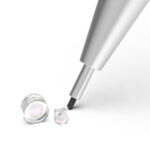
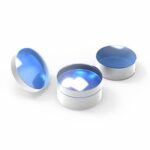
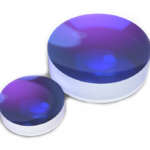
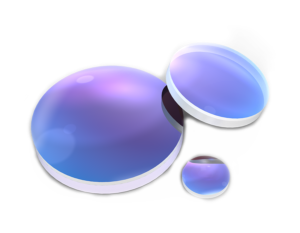
Achromatic lenses, also known as doublet lenses, are made of two lenses made of materials with different refractive indexes and dispersion rates.
For better performance, the side with a larger radius of curvature (the flat side) should face away from the collimated beam. In addition, the achromatic design also helps light sources with a wide wavelength range (composite light sources) to maximize imaging aberration and reduce spherical aberration and chromatic aberration.
Achromatic lenses produce clearer images than optical systems using a single lens, further improving the optical performance of the lens.
Positive Achromatic Lens
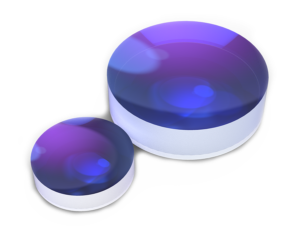
Negative Achromatic Lenses
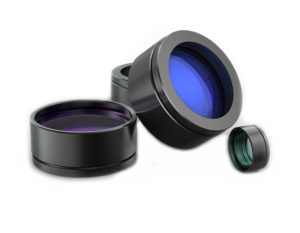
Mounted Positive Achromatic Lenses
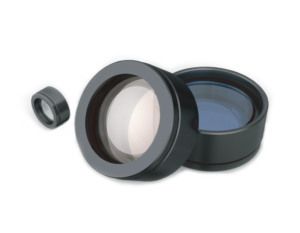
Mounted Negative Achromatic Lenses
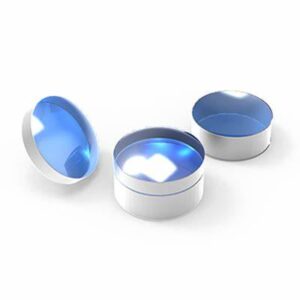
NIR Achromatic Lenses
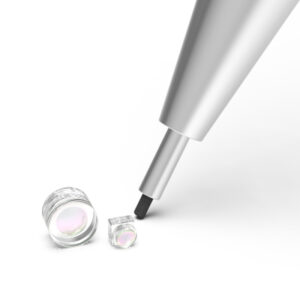
Ultra Small Aspheric Achromatic Lenses
Achromatic Lenses Made by Bote
Bote Optic’s achromatic cemented lens products provide almost constant focal length over a wide wavelength range.
Positive cemented achromatic lenses, negative cemented achromatic lenses and achromatic lenses coated with various anti-reflection coatings are available off-the-shelf. AR coating options include VIS, NIR, and SWIR.
Fabrication Process and Quality Control:
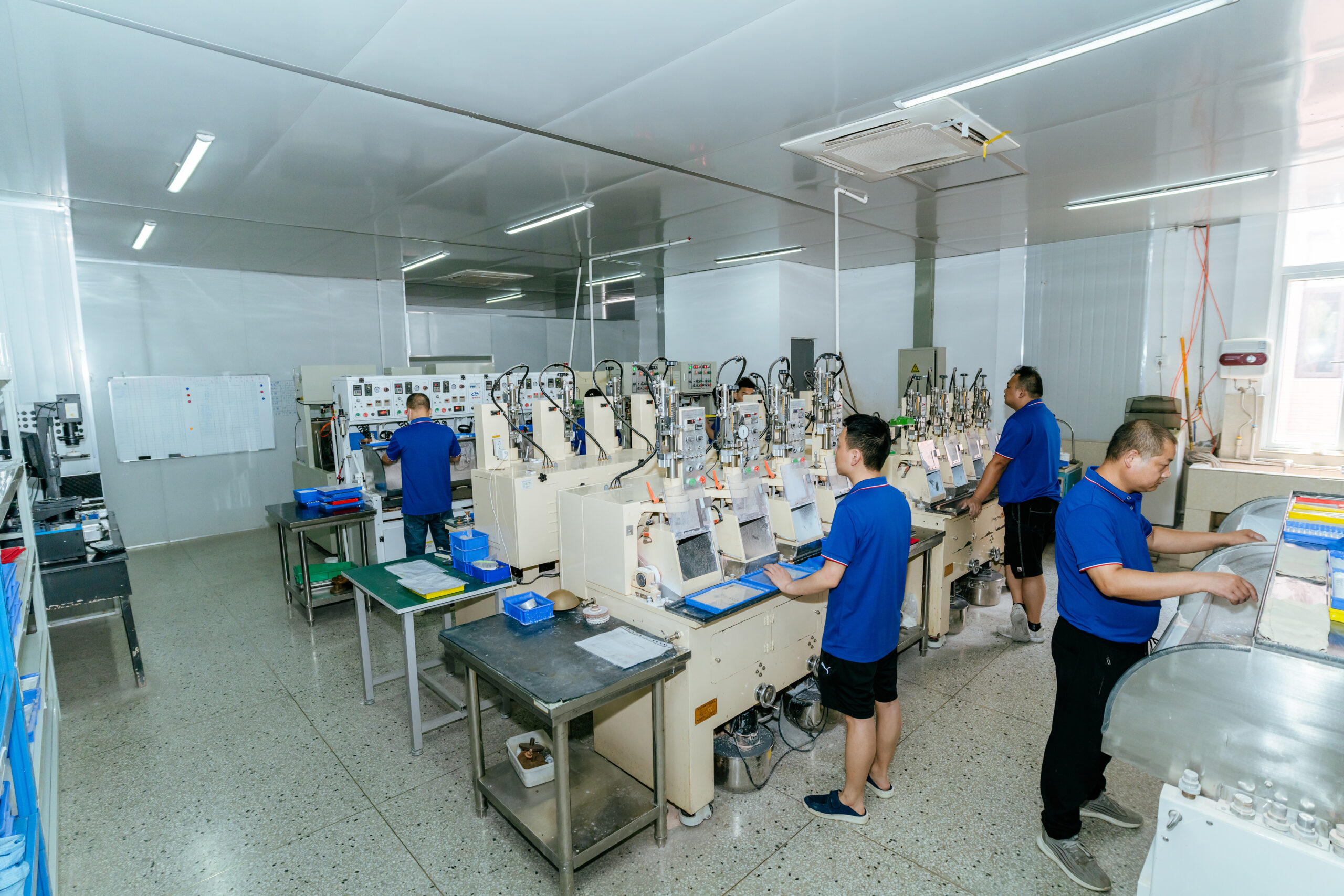
The fabrication of Achromatic Lenses at Bote Optics involves precise grinding and polishing processes to achieve the desired curvature and surface smoothness.
Our advanced CNC machining tools, combined with skilled craftsmanship, allow for the production of lenses with exceptional precision.
Each lens undergoes stringent quality checks, including interferometric testing for surface accuracy, spectrophotometric analysis for coating performance, and environmental testing to ensure durability under varying conditions.
The entire process is ISO-certified, ensuring consistent quality and adherence to international standards.
Applications:
Achromatic lenses are suitable for a variety of applications:
such as fluorescence microscopy, image relay, detection or spectroscopy. Achromats create smaller spots of light than monolithic lenses.
Why Choose Bote Optics:
At Bote Optics, we pride ourselves on our ability to deliver precision-engineered achromatic lenses that meet the highest standards of performance and reliability.
With state-of-the-art fabrication facilities and a team of experienced optical engineers, we are capable of producing lenses that meet the exact specifications of our clients.
Our commitment to quality is reflected in our rigorous testing protocols and our adherence to ISO standards. Whether you need lenses for high-power laser systems, advanced imaging equipment, or specialized scientific instruments, Bote Optics is your trusted partner for superior optical components.
Advantages of Bote Optics
Experts in Ultra-Precision Grin Optics and Lens Optic Customization since 2003
Original Design Manufacturer
As an Optics company, we offer Optical Design and Layout, Mechanical Design, Optical Film Design, and Rapid Prototyping.
Cost Effective Solutions
Bote Optics provides high-quality optical lens and mirrors with competitive pricing and unparalleled customer service.
FOB Singapore
Our shipping terms offer competitive advantages for worldwide customers by shipping FOB Singapore.
After-sale
Worry-Free Return Policy. 7*24 technical support
How to Produce a Achromatic Lens
From this video, you can see one of the process flows of achromatic lenses.
If you need more information, please feel free to contact us.
Advanced Optical Engineering Solutions for Precision and Innovation
Bote Optics company excels in optical engineering, offering expert solutions in
design, manufacturing, and integration to meet the highest standards
FAQ
Achromatic lenses correct the light in order for two colors to lie in a single image plane together. In contrast, apochromatic lenses correct light in a way that lets three colors merge into a single image plane. Both lenses have significant benefits, such as increased image quality and better light emission.
BOTE’s achromatic surface is designed to effectively minimize spherical aberration and coma when operating at an infinite common rail ratio, resulting in computer-shrunken focus point sizes. Achromatic surfaces are excellent focusing components for reducing chromatic aberration in flash lamps used in analytical and medical equipment. For more information please email us directly.
An achromatic lens or achromat is a lens that is designed to limit the effects of chromatic and spherical aberration. Achromatic lenses are corrected to bring two wavelengths (typically red and blue) into focus on the same plane. Wavelengths in between these two then have better focus error than could be obtained with a simple lens.
A useful property to consider when calculating the dispersion is the dispersive power of a material. This depends only on the type of material of which a prism or lens is made and not on its shape. Dispersive power is defined as: Dispersive power (ω) = angular dispersion/mean deviation = (nF – nC)/(nD – 1)
Show that the axial chromatic aberration (fr−fv) for a convex lens is equal to the product of its mean focal length (f) and dispersive power (ω) of its material i.e. Prove: fr−fv=ωf.
Chromatic aberration is caused by the dispersion of light best demonstrated by using a prism (in our case, a lens). Dispersion is the separation of visible light into its different wavelengths. The light that passes from one material to another will be refracted or bent at the boundaries.
If two or more lenses be different colors are in the same position and of the same size, then the combination is called ‘achromatic combination of lenses, and this property is called ‘achromatism’. In practice, both types of chromatic aberrations cannot be removed for all colors.
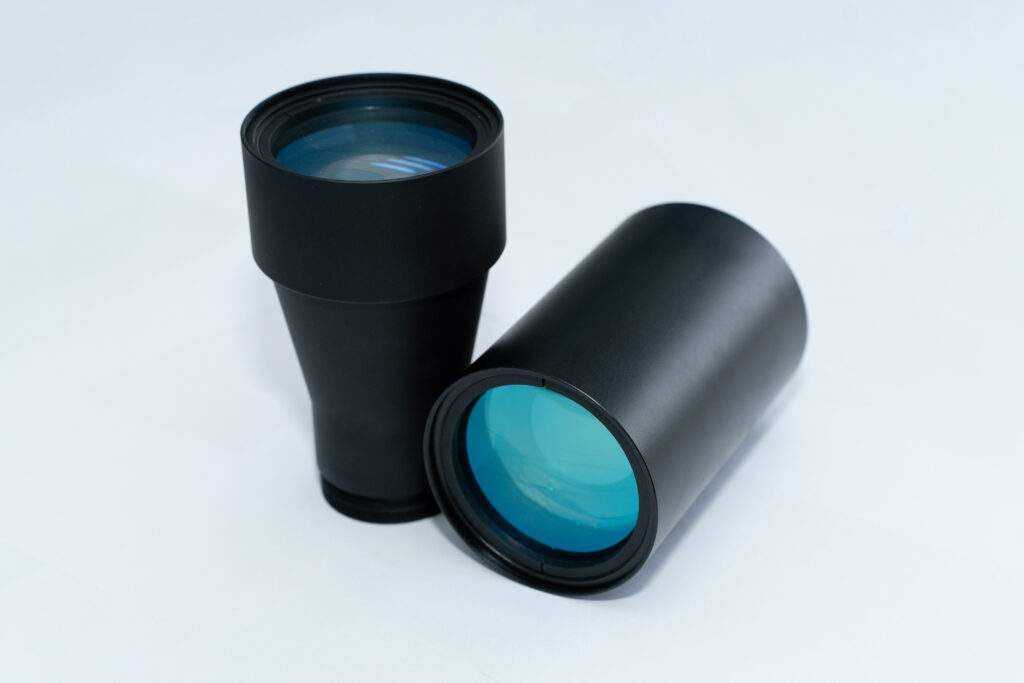
Bote offered large achromatic lens in Cemented or Air-Spaced Designs
Mounted Versions Available for Easy Integration
Feature MgF2 Anti-Reflection Coating, please email us for more details