
Bote Optical Lens
Bote has been established for 22 years and focuses on the production of various optical lenses. We guarantee to achieve the various technical indicators and delivery times promised to you.
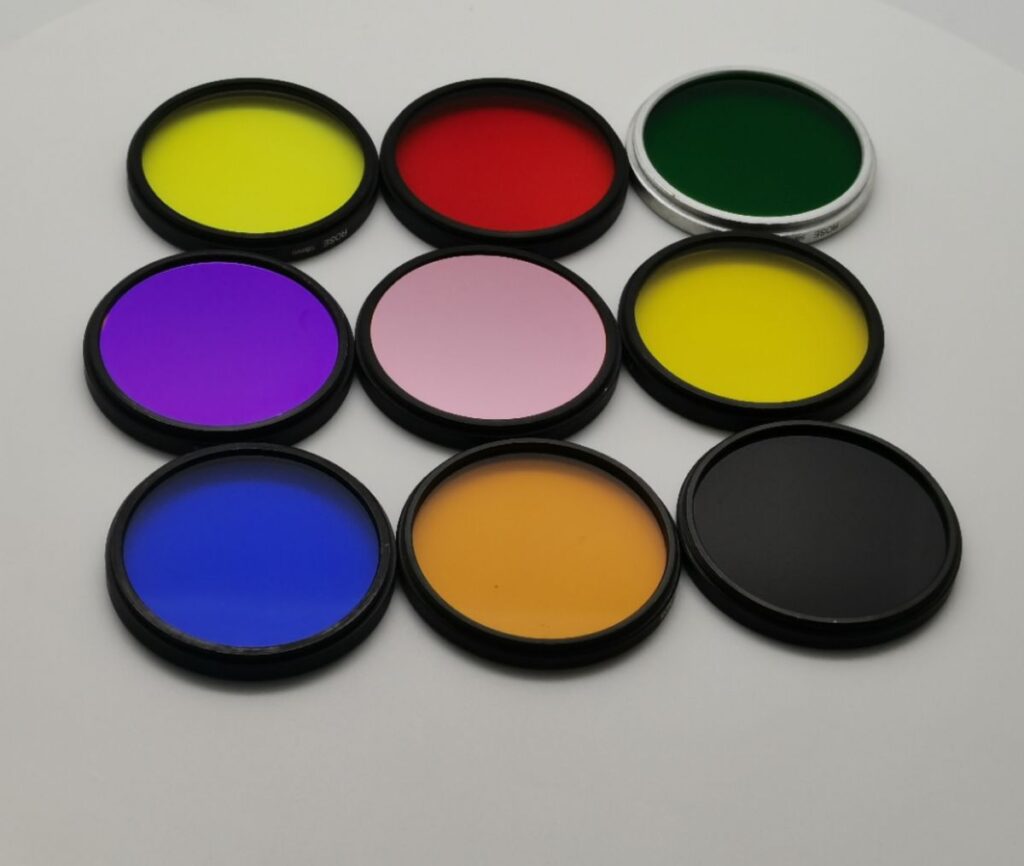

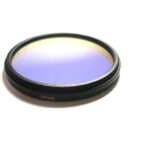
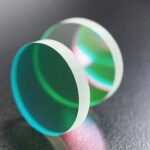
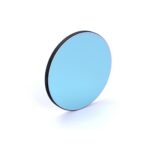
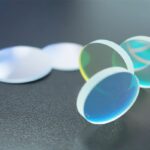
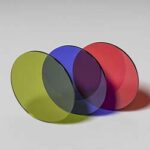
Optical Filters
- Material: UV fused quartz
- Diameter tolerance: +0.0/-0.1mm
- Thickness tolerance: ±0.1mm
- Smoothness: 60-40
- Angle of incidence: 0±2°
- Clear aperture: ≥10mm(Φ12.5),≥22mm(Φ25mm)
- Laser damage threshold: 0.1J/cm²@532nm(10ns pulse width)
- Hundreds of Optical Filters on-the-shelf
- Custom service available
Description of the Components:
Optical Filters are a type of optical element that selectively selects the transmission, reflection, cutoff, and attenuation of spectral wavelengths.
According to their functions, they can be divided into bandpass filters, longwavepass filters, shortwavepass filters, dichroic filters, neutral density filters (ND Filter), notch filters, and cold reflectors. , thermal reflectors, color filters, etc.
According to the processing technology, it is divided into interference filters and color absorption filters.
A bandpass filter selectively allows certain spectral wavelengths to pass through and prevents certain spectral wavelengths from transmitting within its spectral range.
A neutral density filter (ND Filter) reduces the transmittance of a specified spectral wavelength range, thereby Reduce light flux, which is beneficial to the protection of sensors/electronic components
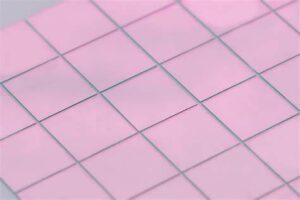
Ultra-Thin Filters
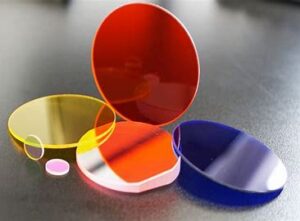
Shortpass Filters
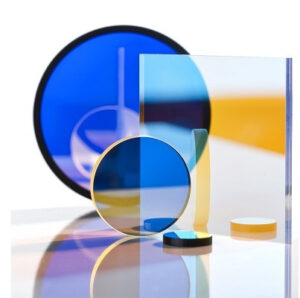
Notch Filters
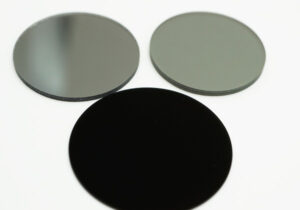
Neutral Density (ND) Filters
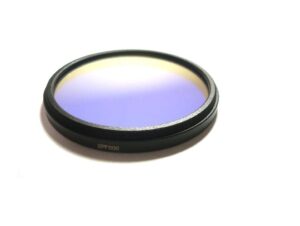
Machine Vision Filters
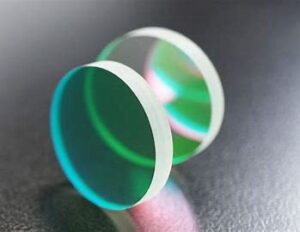
Longpass Filters
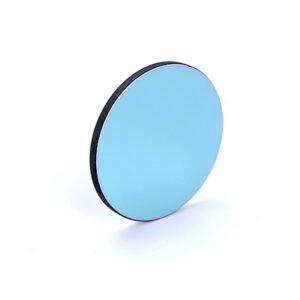
Laser Filters
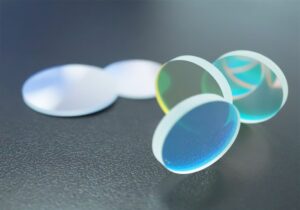
Dichroic Filters
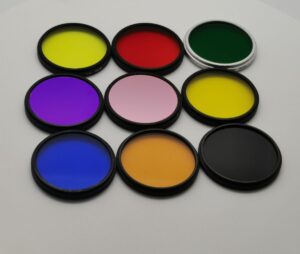
Color and Absorptive Filters
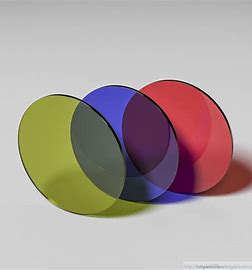
Bandpass Filters
Achromatic Lenses Made by Bote
Bote Optic’s achromatic cemented lens products provide almost constant focal length over a wide wavelength range.
Positive cemented achromatic lenses, negative cemented achromatic lenses and achromatic lenses coated with various anti-reflection coatings are available off-the-shelf. AR coating options include VIS, NIR, and SWIR.
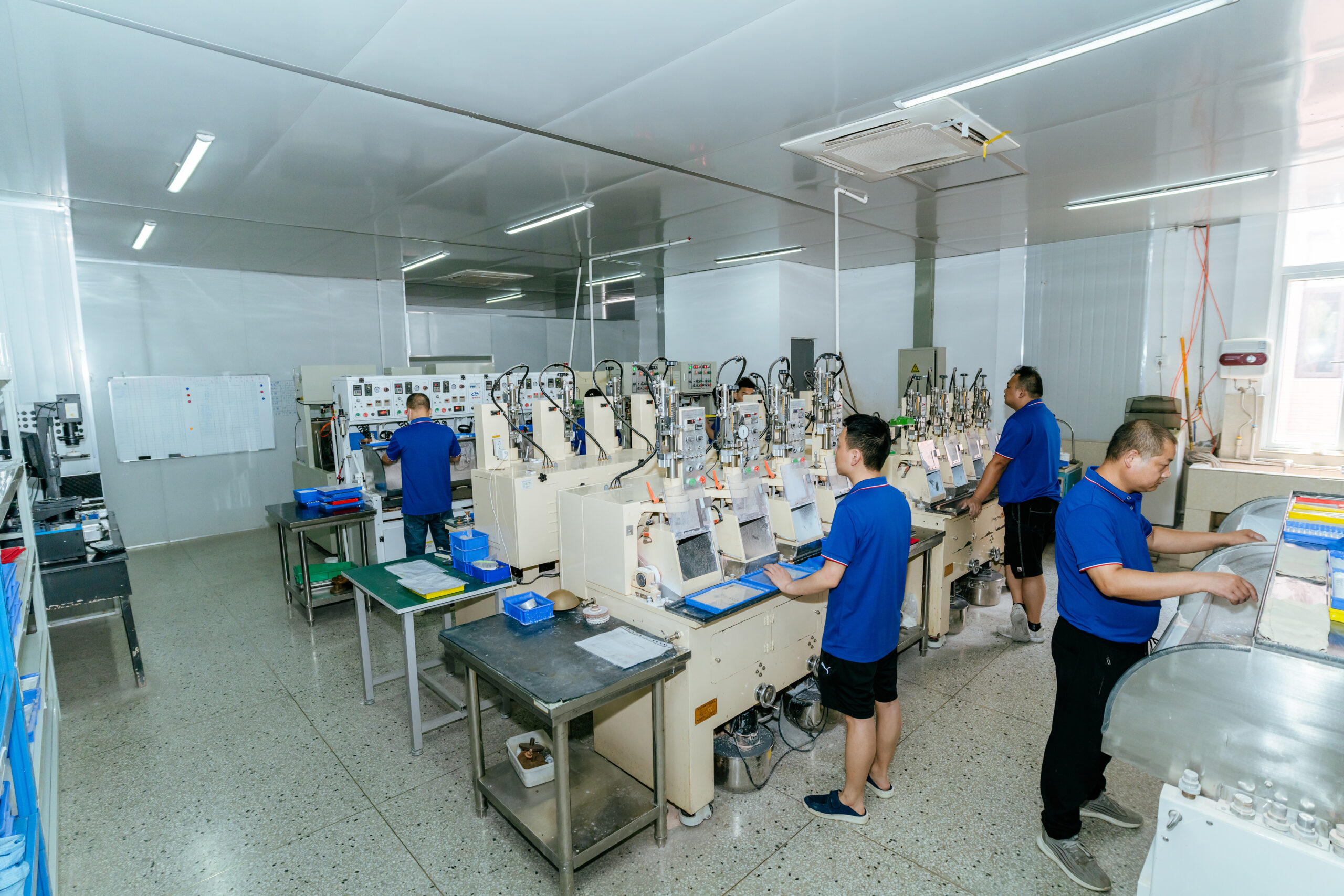
Fabrication Process and Quality Control:
The fabrication of Optical Filters at Bote Optics involves precise grinding and polishing processes to achieve the desired curvature and surface smoothness.
Our advanced CNC machining tools, combined with skilled craftsmanship, allow for the production of lenses with exceptional precision.
Each lens undergoes stringent quality checks, including interferometric testing for surface accuracy, spectrophotometric analysis for coating performance, and environmental testing to ensure durability under varying conditions.
The entire process is ISO-certified, ensuring consistent quality and adherence to international standards.
Applications:
Optical filters are widely used in spectral analysis, biomedicine, machine vision, fluorescence microscopy, industrial automation and other industries and product fields.
Neutral density filters (ND Filter) are widely used in the field of laser optics/optoelectronics; cold/hot reflectors are widely used in lighting systems to help remove the heat generated in the lighting system.
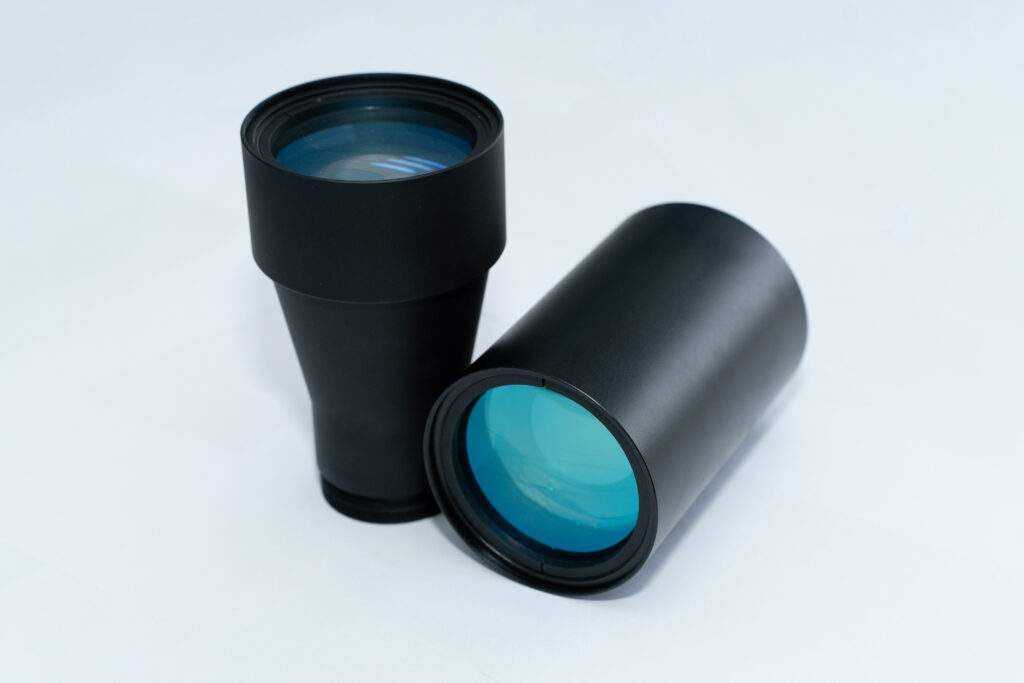
Why Choose Bote Optics:
At Bote Optics, we pride ourselves on our ability to deliver precision-engineered achromatic lenses that meet the highest standards of performance and reliability.
With state-of-the-art fabrication facilities and a team of experienced optical engineers, we are capable of producing lenses that meet the exact specifications of our clients.
Our commitment to quality is reflected in our rigorous testing protocols and our adherence to ISO standards. Whether you need lenses for high-power laser systems, advanced imaging equipment, or specialized scientific instruments, Bote Optics is your trusted partner for superior optical components.
Advantages of Bote Optics
Experts in Ultra-Precision Grin Optics and Lens Optic Customization since 2003
Original Design Manufacturer
As an Optics company, we offer Optical Design and Layout, Mechanical Design, Optical Film Design, and Rapid Prototyping.
Cost Effective Solutions
Bote Optics provides high-quality optical lens and mirrors with competitive pricing and unparalleled customer service.
FOB Singapore
Our shipping terms offer competitive advantages for worldwide customers by shipping FOB Singapore.
After-sale
Worry-Free Return Policy. 7*24 technical support
How to Produce a Achromatic Lens
From this video, you can see one of the process flows of achromatic lenses.
If you need more information, please feel free to contact us.
Advanced Optical Engineering Solutions for Precision and Innovation
Bote Optics company excels in optical engineering, offering expert solutions in
design, manufacturing, and integration to meet the highest standards
FAQ
Normally, the HS Code is 90022000 – Optical Filters for Instruments
Filters, optical, being parts of or fittings for instruments, apparatus and appliances, framed or mounted.
Examples (No official information or warranty)
– IR cut filter, 25mm in diameter, for microscope
– UV filter, mounted in a metal case, for spectrophotometer
– Optical bandpass filter, 50mm x 50mm, for laboratory equipment
– Neutral density filter, 25.4mm in diameter, for telescope
– Interference filter, 12.7mm in diameter, for experimental setup
– Color filter, 50mm x 50mm, for camera lens
The design of the bandpass filter is relatively simple.: combine a long-wave pass filter with a short-wave pass filter to create the bandpass shape, and place in tandem with a full-spectrum blocking filter to provide extended out-of-band blocking.
How bandpass filters work?
The working principle of bandpass filters is mainly based on the interference and diffraction effects of light, which can be explained by the structure of the filter. Bandpass filters usually consist of a dielectric layer or film between two transparent materials, at least one of which must be able to change the speed or refractive index of light.
When light enters a bandpass filter, part of the light is reflected, while other part of the light passes through the filter. The design of a bandpass filter allows light in a specific wavelength range to interfere and diffract inside the filter by adjusting the thickness and refractive index of the thin film layer or dielectric layer.
Specifically, the thin film layer or dielectric layer in the bandpass filter will introduce a phase difference, so that the light of a specific wavelength is enhanced in the interference effect inside the filter, thereby passing through the filter, while the light of other wavelengths is It will be destroyed by the interference effect and absorbed or reflected by the filter, thereby achieving light screening.
In the last, the specific design should also take into account the performance of production equipment and testing equipment, as well as market positioning.
Absorption filters work by absorbing the unwanted wavelengths of light. They can be made in a variety of ways, typically by depositing layers on to a substrate to build up the desired characteristics. Other options include dyed glass, lacquered gelatin and synthetic polymer filters.
- Precision: Interference filters offer higher precision in wavelength selection compared to absorption filters.
- Construction: Interference filters are made of multiple thin layers of dielectric materials, while absorption filters consist of doped glass or plastic.
- Cost: Due to their complex manufacturing process, interference filters are generally more expensive than absorption filters.
- Application: Interference filters are preferred in applications requiring narrow bandwidths and high precision, such as spectroscopy and laser systems. Absorption filters are widely used in photography, lighting, and general scientific applications where such high precision is not critical.
Normally, there are ten types of optical filters as follow: Bandpass Filters, Longpass Filters, Shortpass Filters, Heat Absorbing Glasses, Cold Mirrors, Hot Mirrors, Notch Filters, Color Substrate Filters, Dichroic Filters, Neutral Density (ND) Filters. All the above filters you could find from our webpage.
Bote also provide custom service as your special requirements.
Optical filters selectively transmit light in a particular range of wavelengths, that is, colours, while absorbing the remainder. They can usually pass long wavelengths only (longpass), short wavelengths only (shortpass), or a band of wavelengths, blocking both longer and shorter wavelengths (bandpass).
There are hundreds of companies which can produce optical filters. It depends on where are you and how much is your budget and purchase quantity.
Bote usually have dozens of types optical filters in stock. and we are able to produce as your specification as well.